Elf ideas for toddlers and preschoolers
Toddlers don't need a big scene. They need to find the elf. The ideas that work for little kids are easy to spot from the doorway, up out of reach, and built around things they know: their cup, their stuffed animals, their bath toys. Here's how to set them up, what to skip, and how to handle the "I touched it!" moment.
The three toddler rules
Visible
a toddler should be able to spot the elf from standing height when they walk in, so no deep hides yet.
Out of reach
the elf stays at adult shoulder height or higher, which keeps it out of reach and the magic intact.
Familiar
use your child's own things. A two-year-old laughs at the elf in their cup way more than at a clever scene with props they don't know.
12 toddler-friendly elf ideas
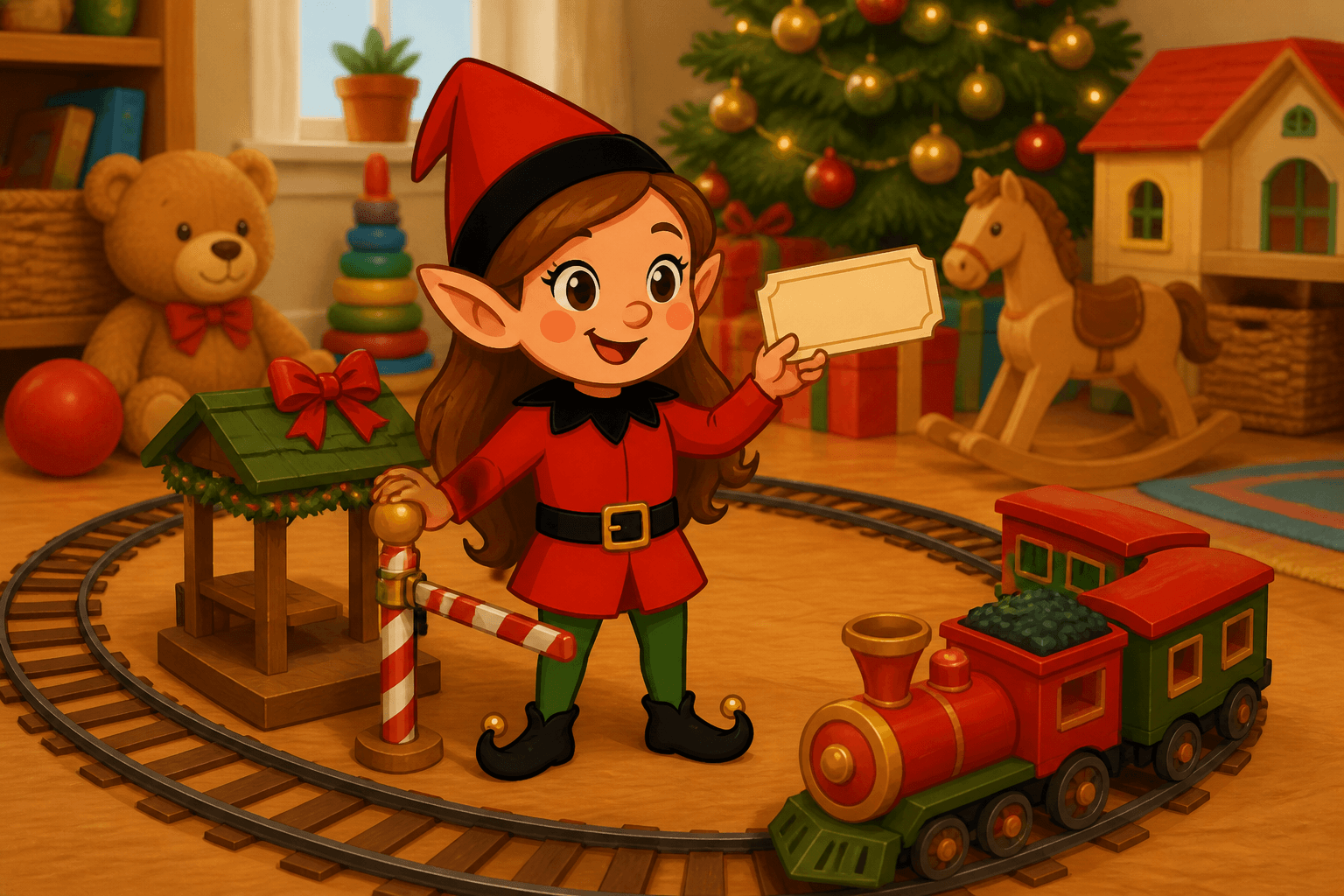
Train Track Conductor
Riding a toy train on a high shelf.
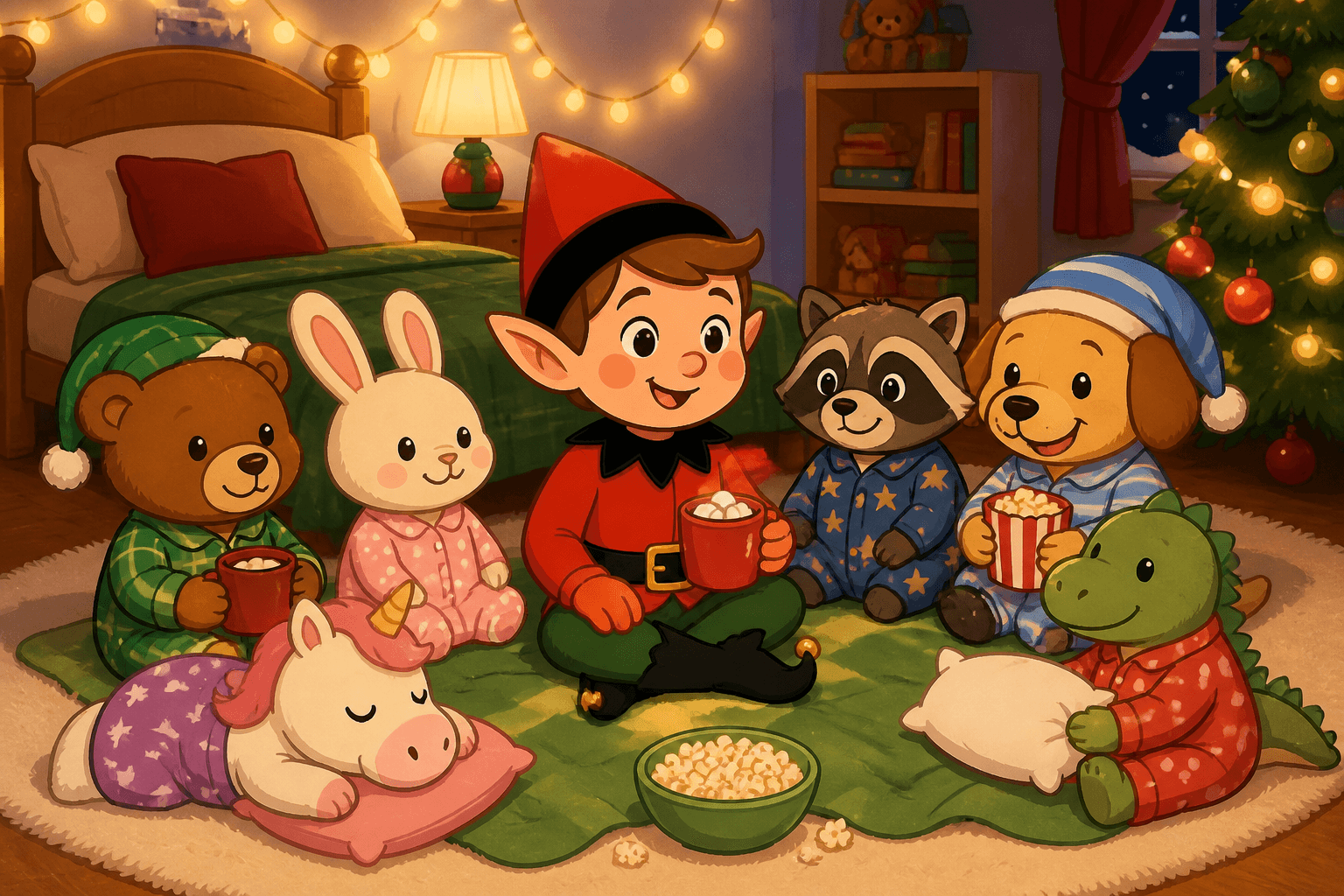
Stuffed Animal Sleepover
Tucked in with the stuffed animals, up on the dresser.
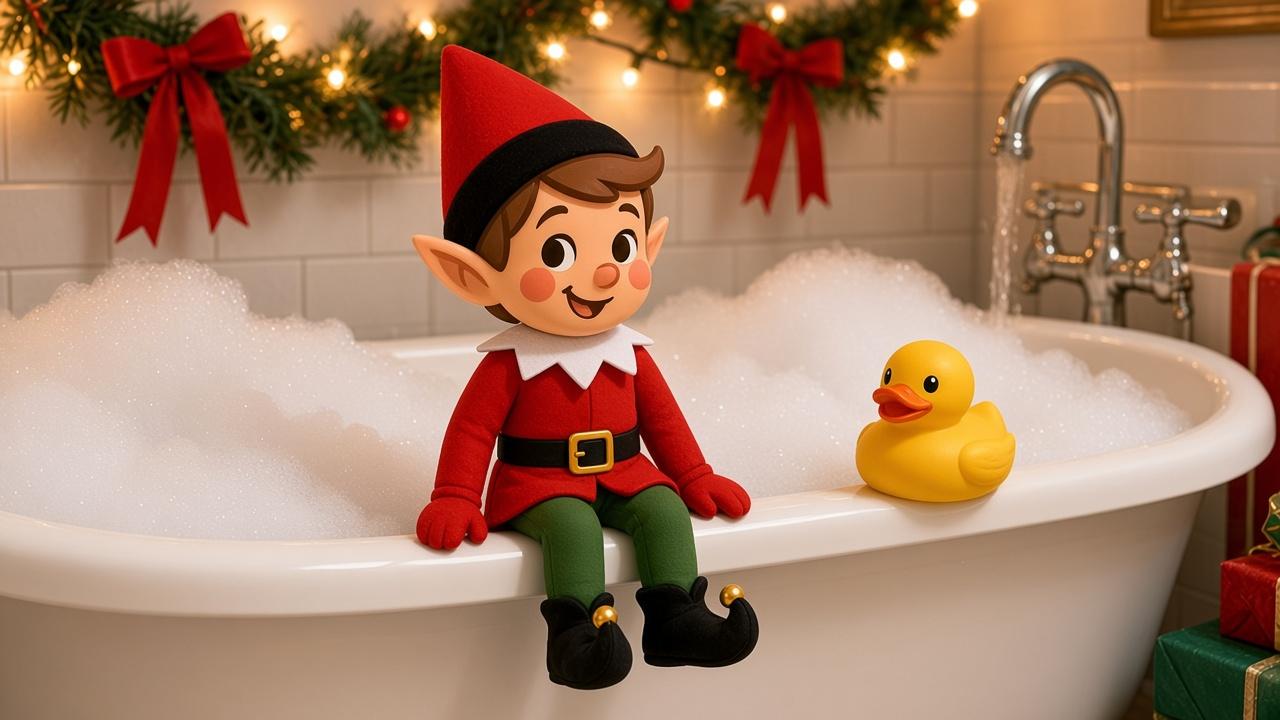
Bath Time Bubbles
A bath-toy lineup on the counter, with no water.
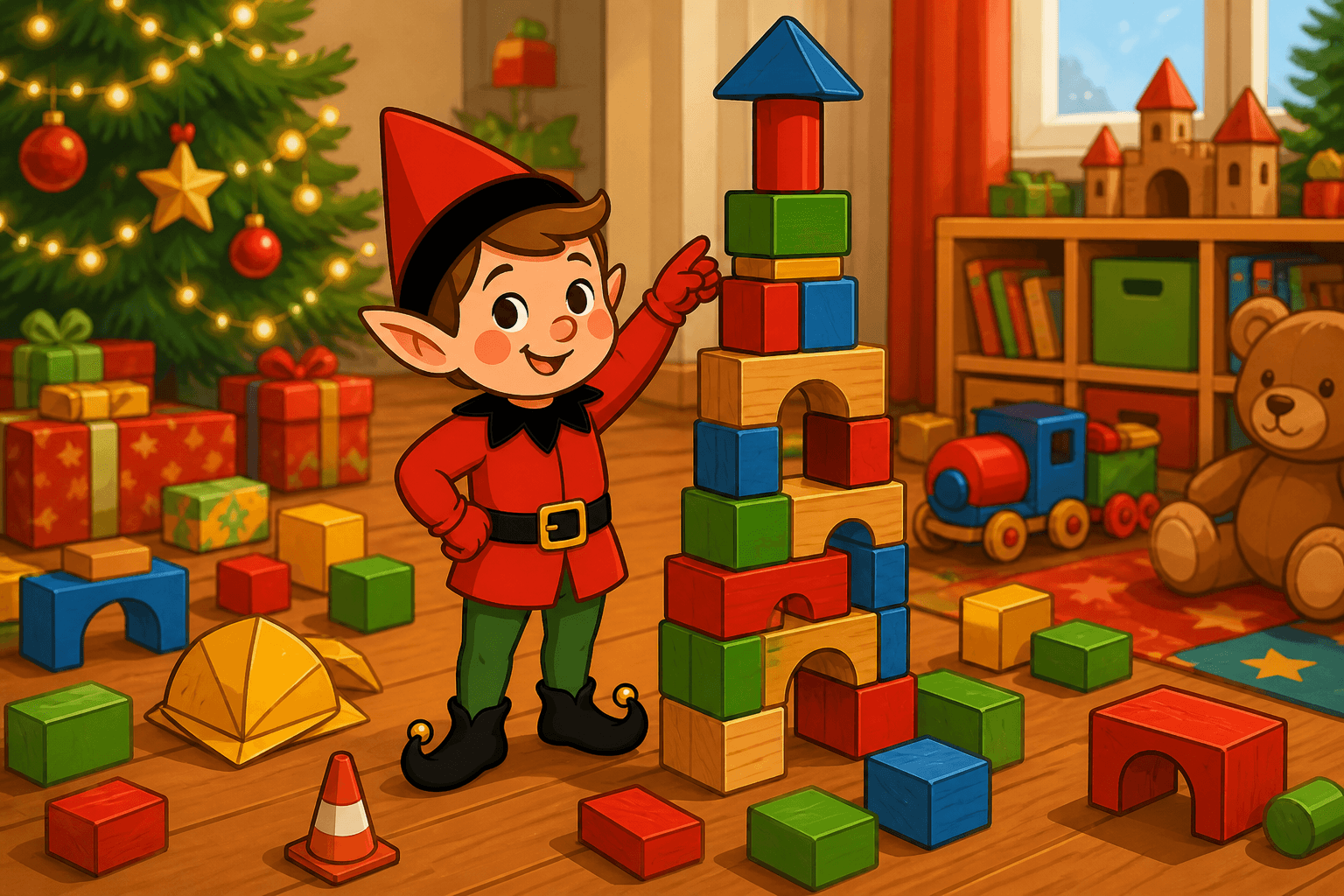
Block Tower Foreman
Building a block tower on top of the fridge.
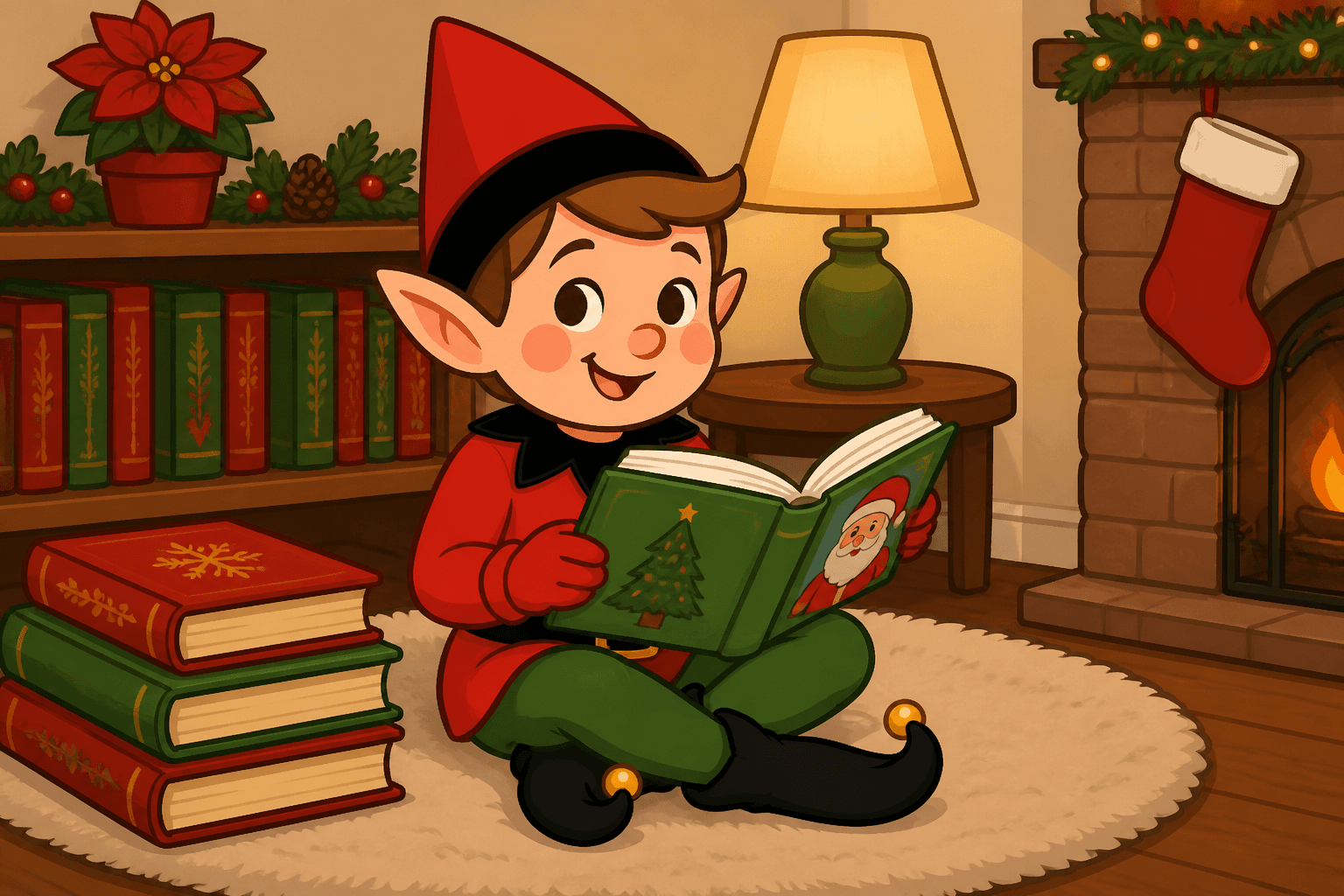
Bookworm Buddy
Reading a board book on the bookshelf.
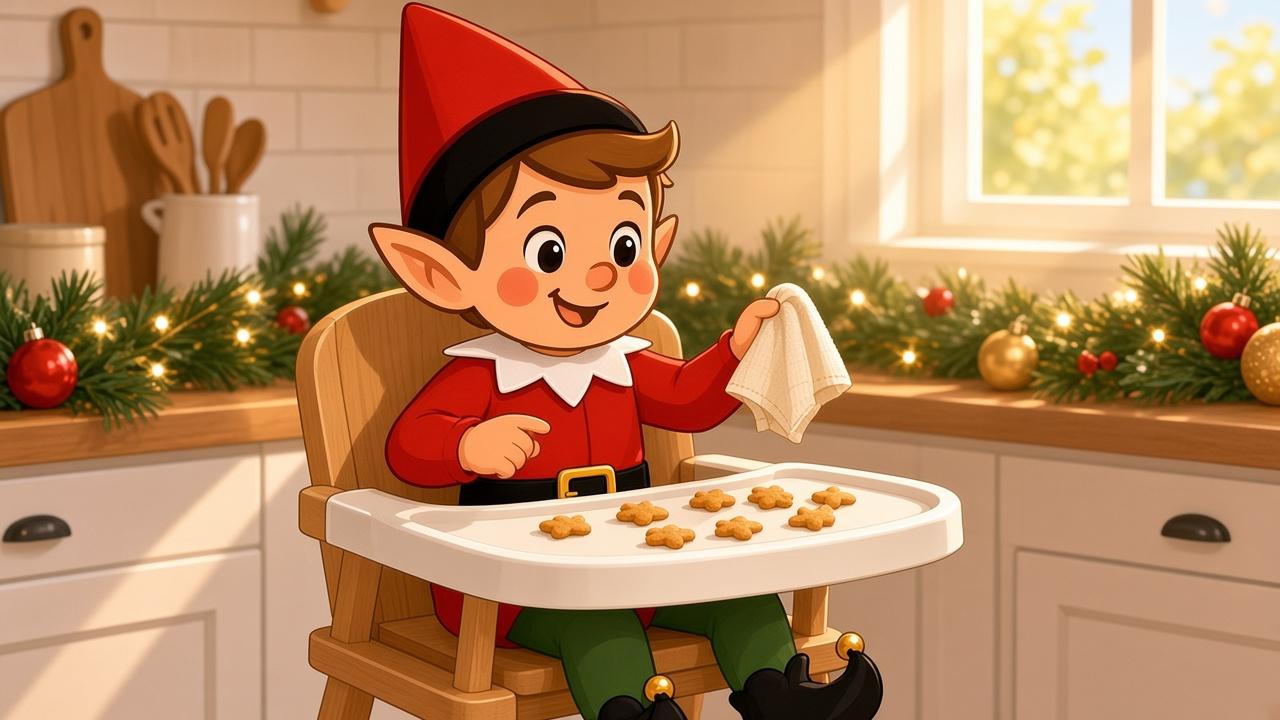
High Chair Service
Sitting in a high chair "waiting for breakfast."
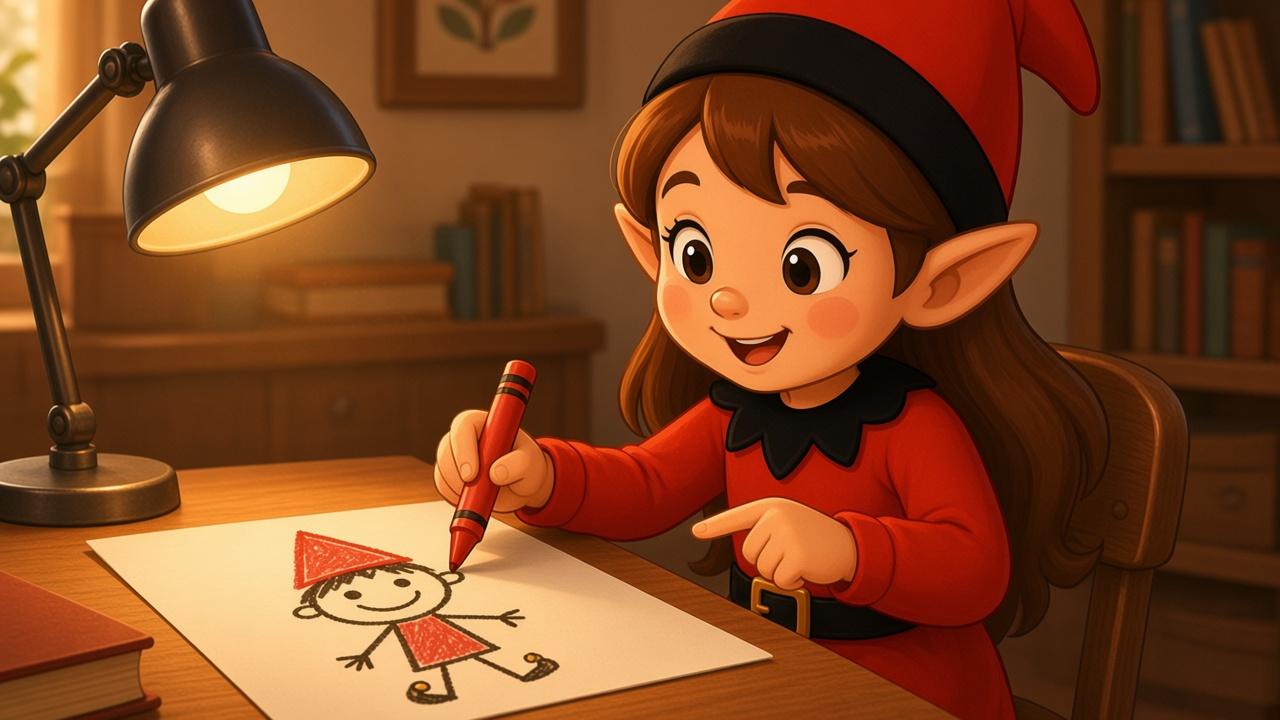
Crayon Portrait Studio
Holding a crayon next to a scribble "self-portrait" taped high on the wall.
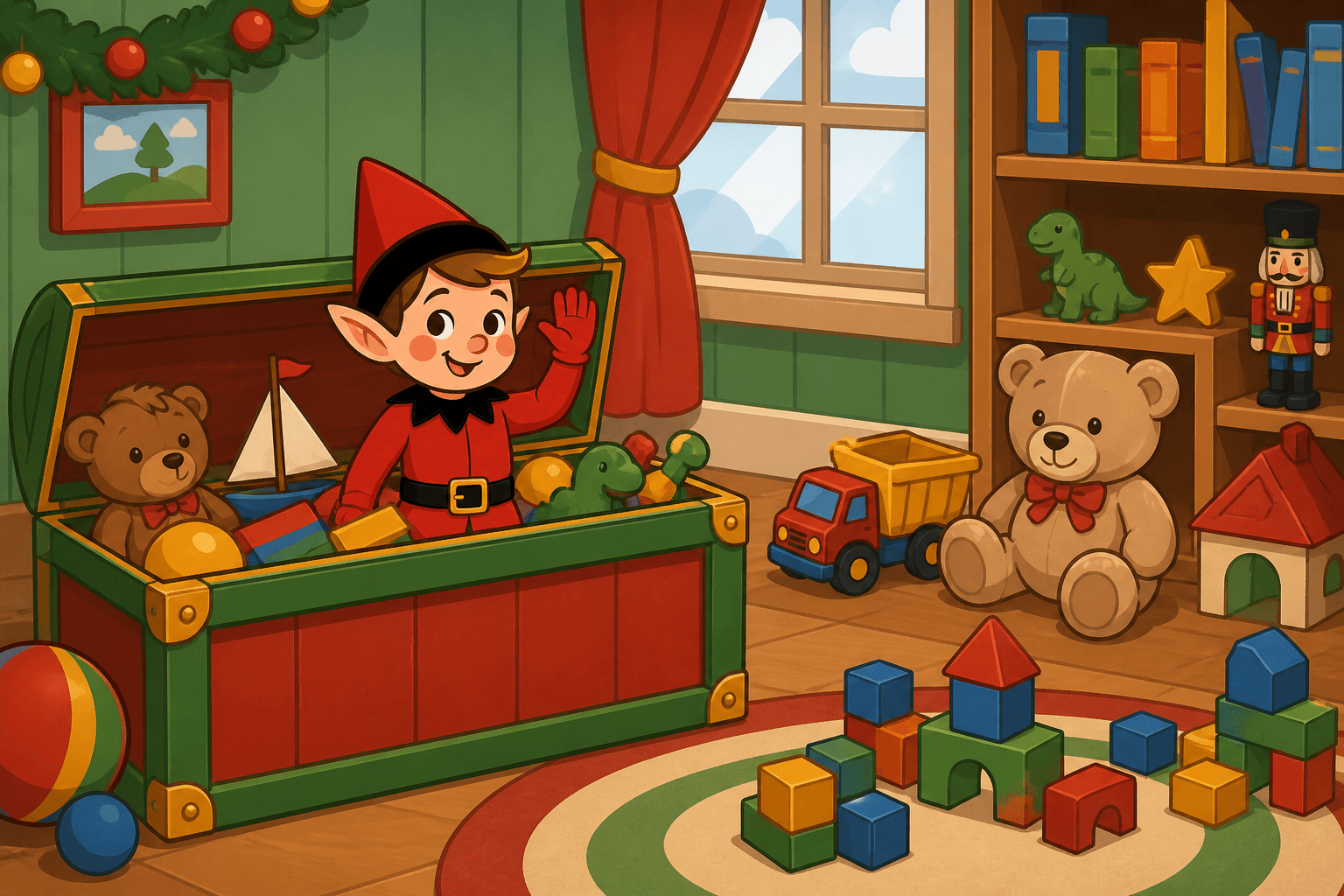
Toy Box Takeover
In the toy box lid, half-in, half-out, placed on a shelf.
Peeking out of a pillowcase on a high bed rail.
Waving from the window ledge.
Saying hi to the pet bowl from the counter above.
Holding a sign with your child's name in big letters.
How to set up a toddler idea
Choose a spot in the room your toddler enters first in the morning.
Check reach: if they can climb a chair to it, go higher.
Use one familiar item (their cup, toy, or book) next to the elf.
Skip food scenes they'd want to eat, small parts, and anything glass.
Add a simple "Good morning, [name]!" note for older preschoolers who know their letters.
Variations by age
Under 2
let the elf be a "good morning" game. Same room, new spot. Point and say hi together.
Ages 2–3
add familiar toys and simple mischief, like the elf "stealing" a sock.
Ages 4–5
start mild hide-and-seek with one clue and short notes. Graduate to the mischief ideas when they're ready.
"I touched the elf!" (toddler edition)
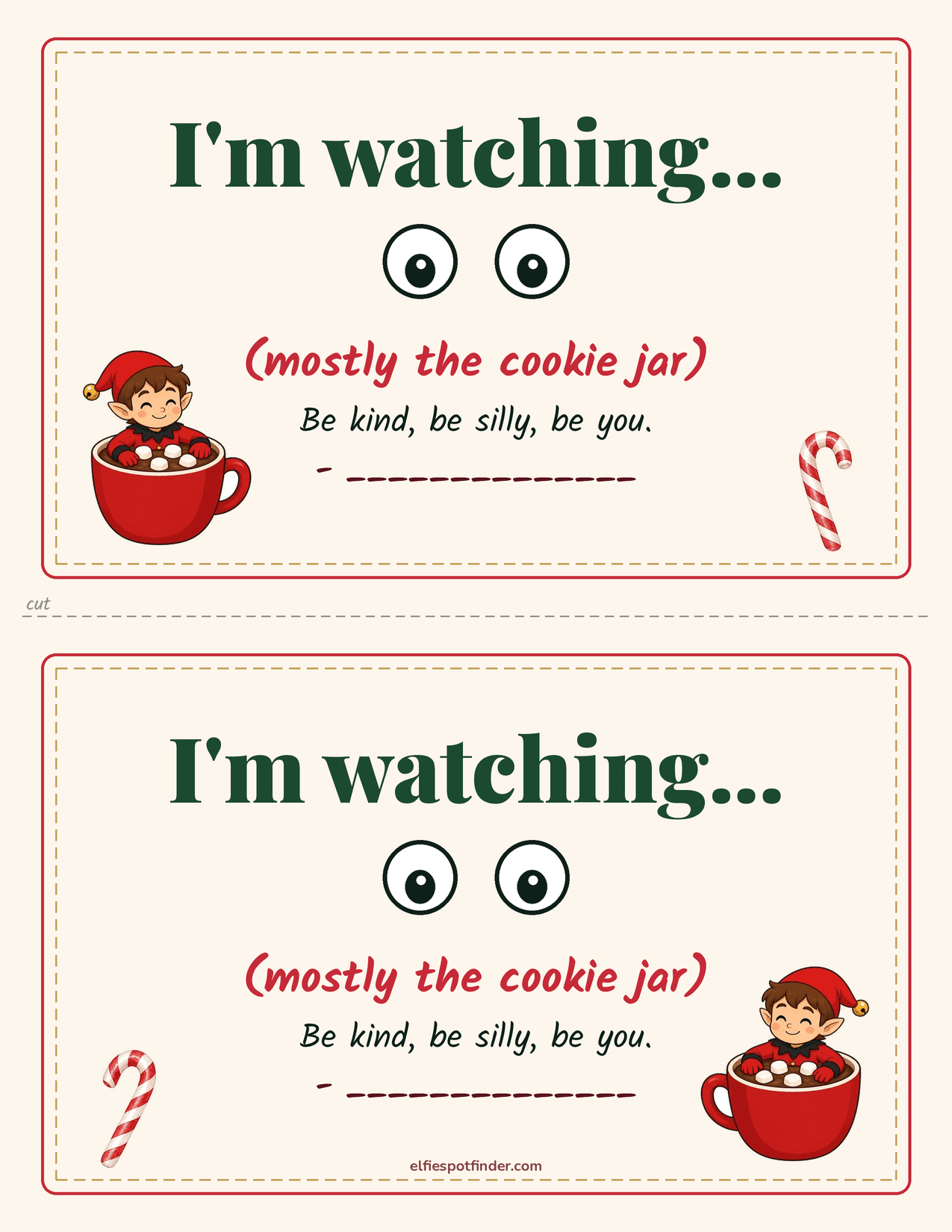
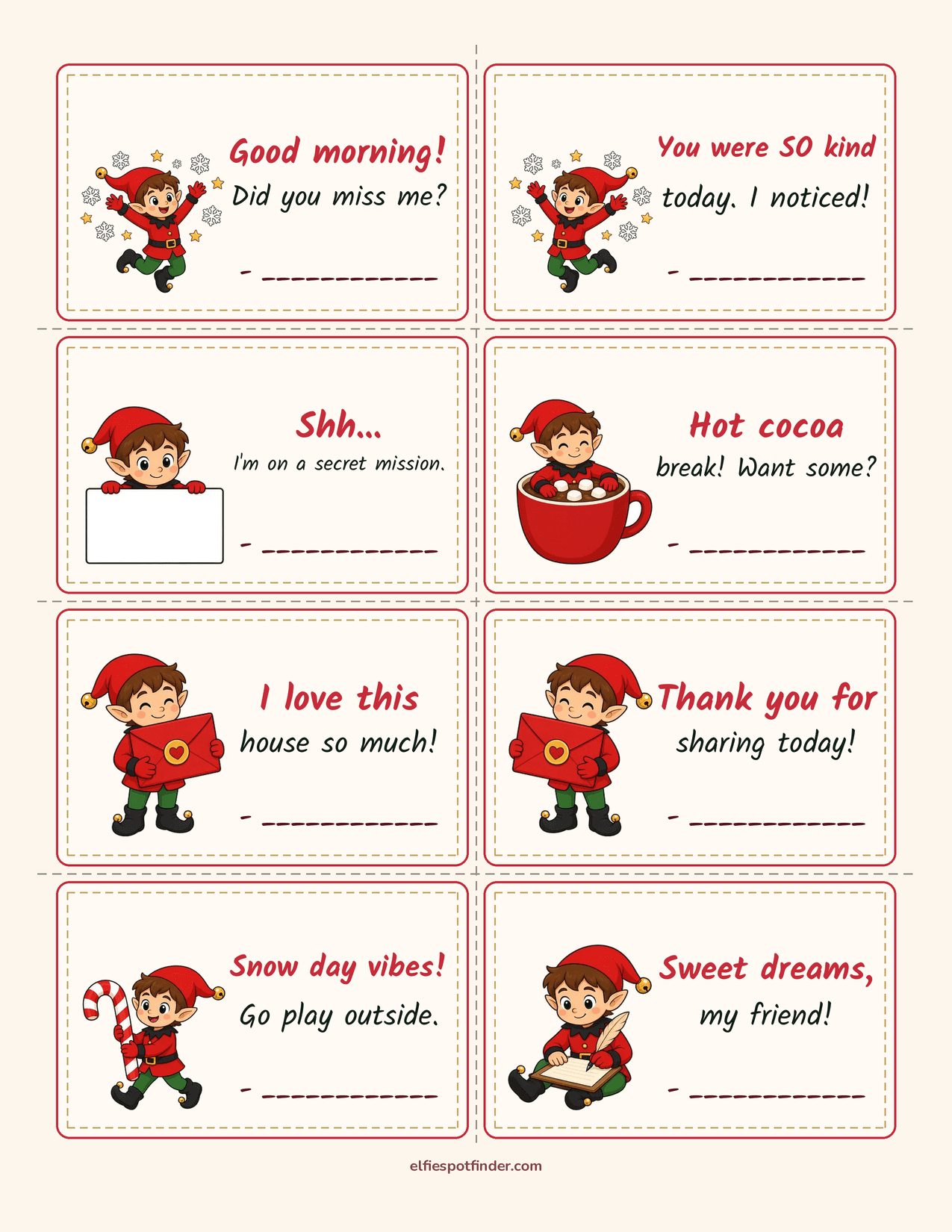
It'll happen. Keep it light: leave a note the next morning saying the elf "got a little magic boost overnight" and is fine. Sprinkling a bit of cinnamon "magic" next to it is a popular family fix. Use the I'm Watching note or a Mini Elf Note for the message.
Make the morning find part of the routine
Toddlers love routine, so the elf can ride along with yours. Put the elf where the morning already goes: next to the cereal bowl, on the shelf above the shoes, by the bathroom sink at toothbrush time. Ask the same question every morning ("Where's the elf today?") and let your child lead the search. If they get stuck, play warmer and colder. For non-talkers, pointing and a big "There it is!" counts as a win. Keep the find short and happy so it never turns into a meltdown before daycare.
Notes toddlers can "read"
Most toddlers can't read, but they love a note. Draw instead of writing: a heart for "I love you," a star for "great job yesterday," a picture of their cup for "drink your milk." Preschoolers who know some letters get their name in big capitals plus one picture. Read it out loud together in the elf's "voice." A tiny, squeaky one is traditional. The I'm Watching note and Mini Elf Notes printables have space for drawings.
Siblings: one elf, a toddler and a big kid
When a toddler shares the elf with an older sibling, aim for spots both can enjoy. Make it easy to see (for the little one) with a joke the big kid gets: the elf on a high shelf "reading" the big kid's chapter book upside down, for example. Ask the older child to be the "elf helper" who lets the toddler find it first. It keeps the little one included and gives the big kid a job instead of a spoiler.
Calm-down scenes for big-feelings days
Some days are hard for little ones. On those nights the elf can model calm: wrapped in a blanket next to a favorite stuffed animal, "breathing" with a note that says "Deep breaths, I'm here." Or it's sitting by a picture book about feelings. These gentle scenes are a small comfort, and they're simple to set up after a rough evening.
What to skip with little kids
Open flames, hot appliances, real food left out at toddler height, small props (choking hazard), and scary or "naughty" scenes that might upset them. Save the bigger mischief for when they're older.
More gentle ideas
When the setup has to stay simple, use easy elf ideas.
Related ideas
Quick answers
What age is the elf good for?
Many families start around age 2–3, when kids can enjoy the morning hunt. Under 2, keep it as a simple "find the elf" game.
Where should the elf go with toddlers?
Visible from the doorway but out of reach: a high shelf, the fridge top, or a curtain rod.
What if my toddler touches the elf?
Leave a reassuring note that the elf got a magic boost and is fine, then move it higher.
Are mischief ideas OK for toddlers?
Keep them mild and familiar, like a stolen sock or toy. Skip messy or scary scenes.
Do I need props for toddler elf ideas?
No. Your child's own toys, cups and books do the job.
More elf ideas
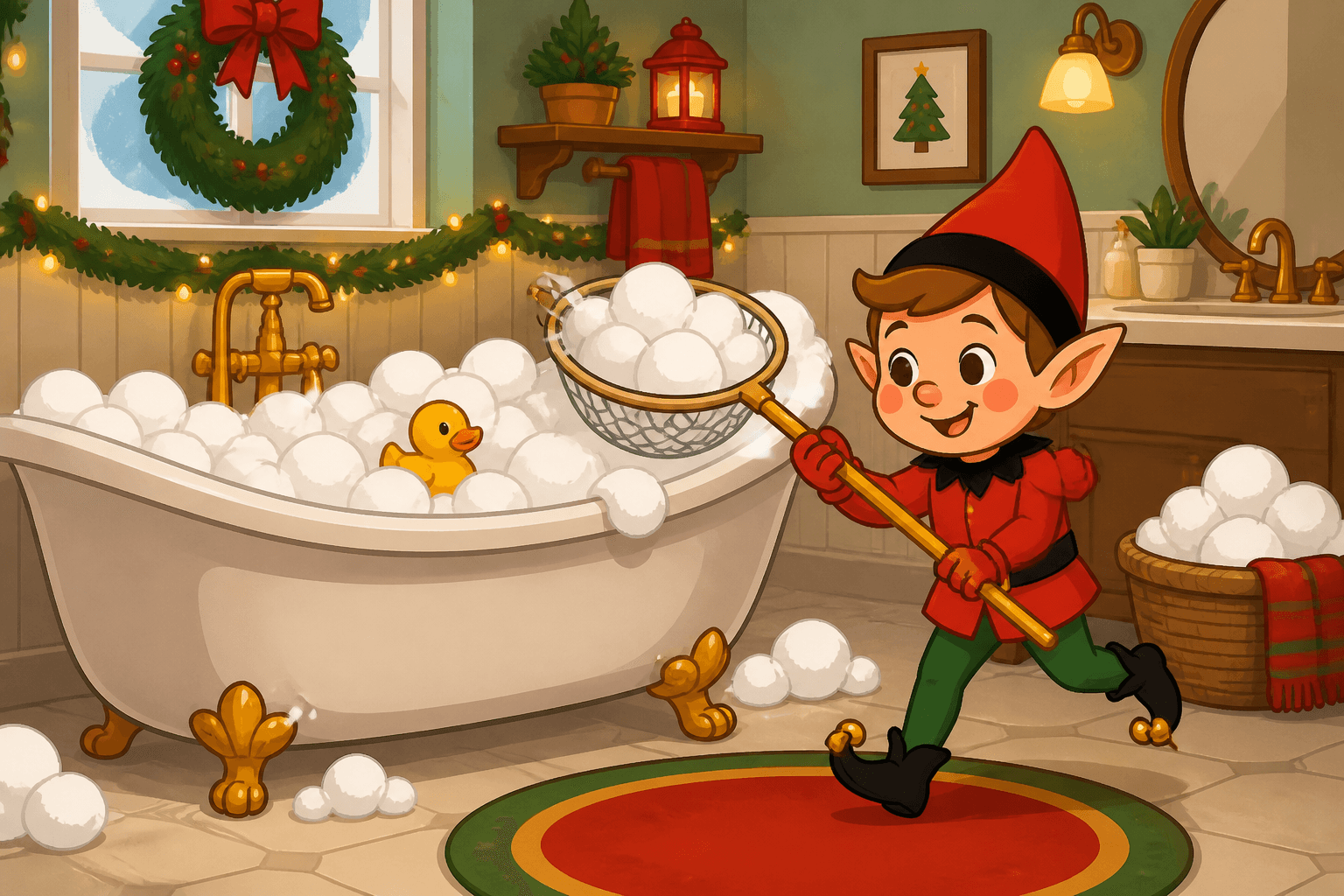
Bathtub Bubble Patrol
Your elf stands guard in a dry tub with a puff of leftover bubbles or shaving foam. No standing water, just a tiny foam crew on night watch.
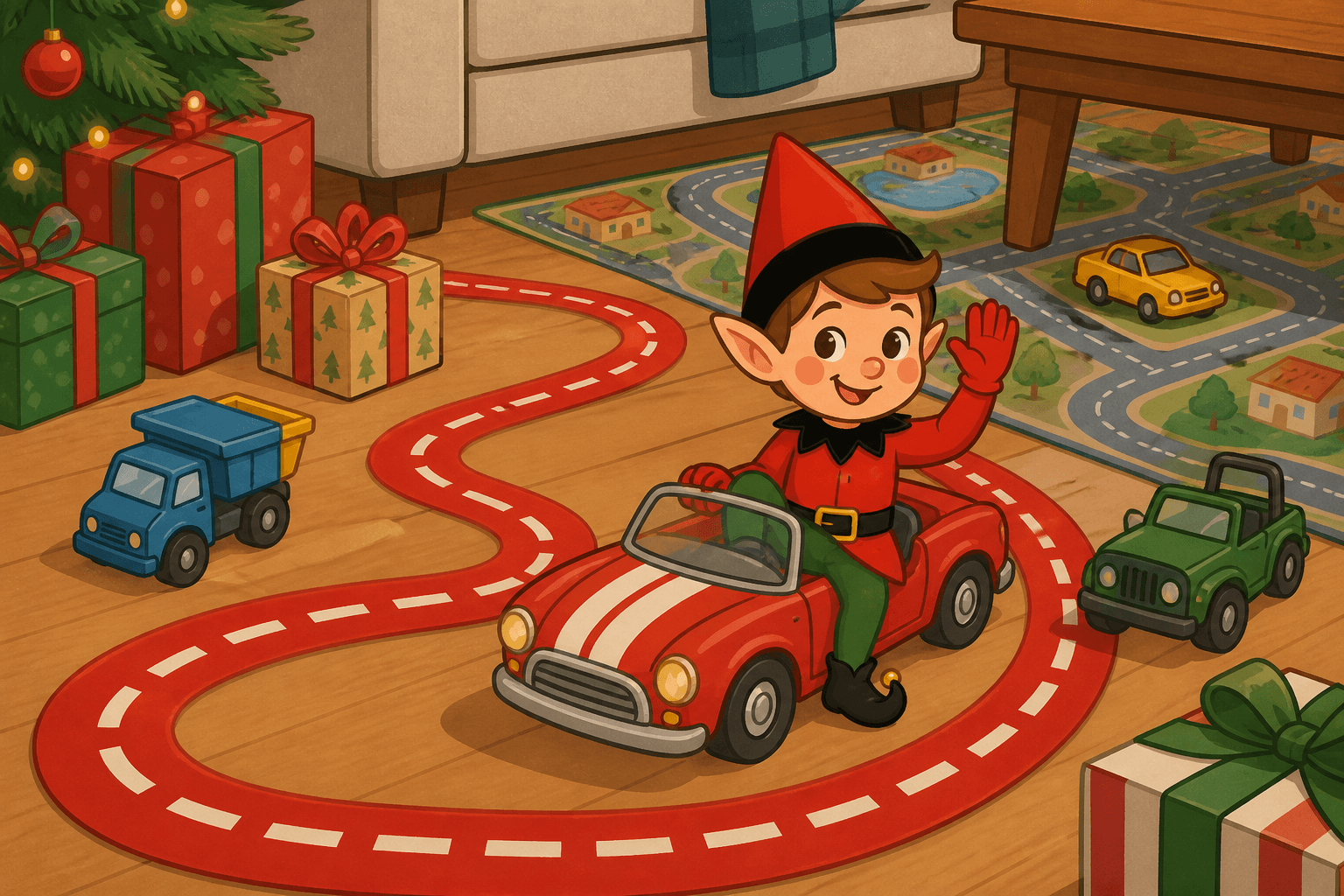
Car Cruise
Your elf sets off on a road trip in a toy car, with a paper road, a suitcase and a postcard trail. Setup steps, small-parts tips and a short version.
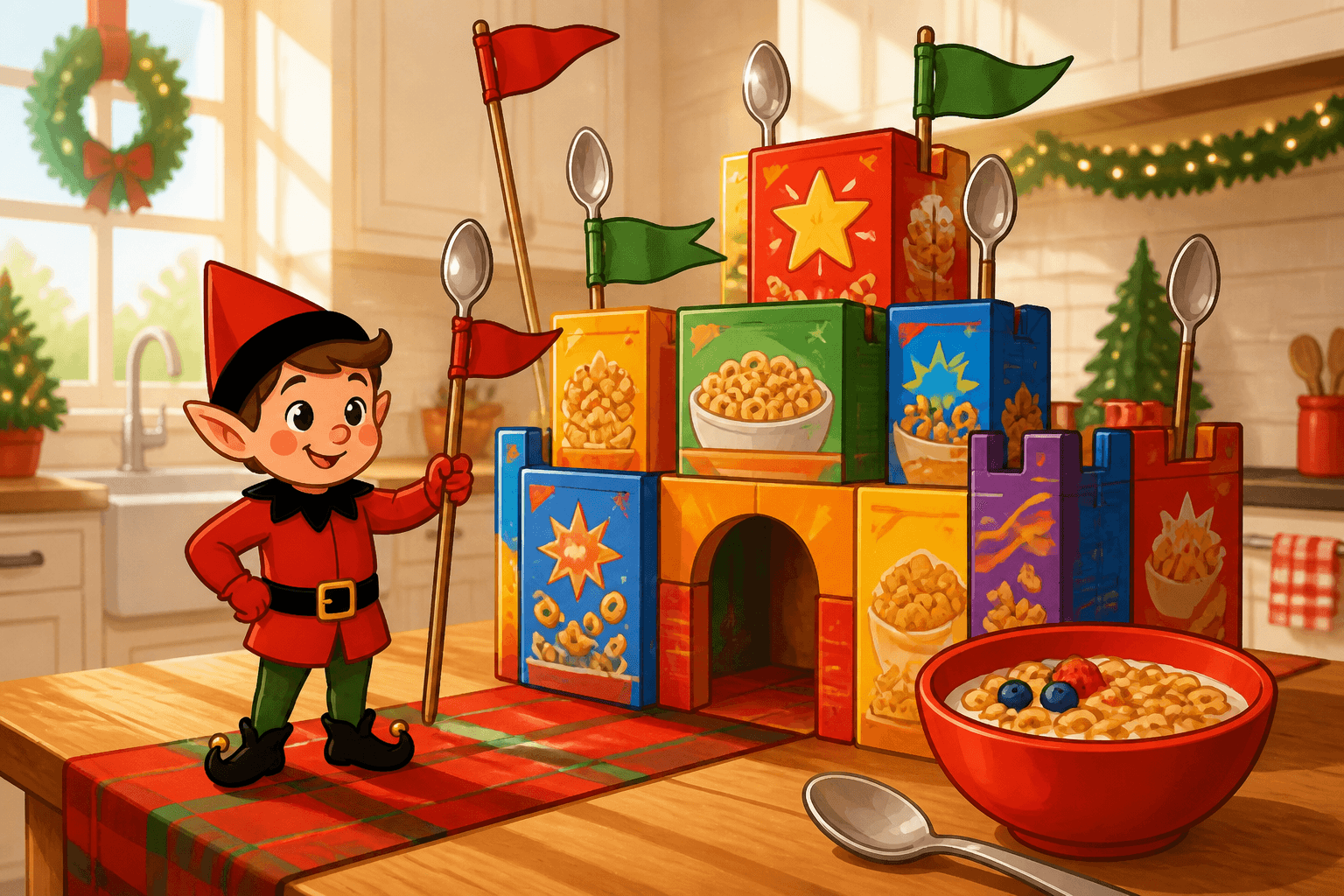
Cereal Box Castle
Your elf builds a breakfast fortress out of cereal boxes on the kitchen counter. No extra crafts, maximum morning chaos.
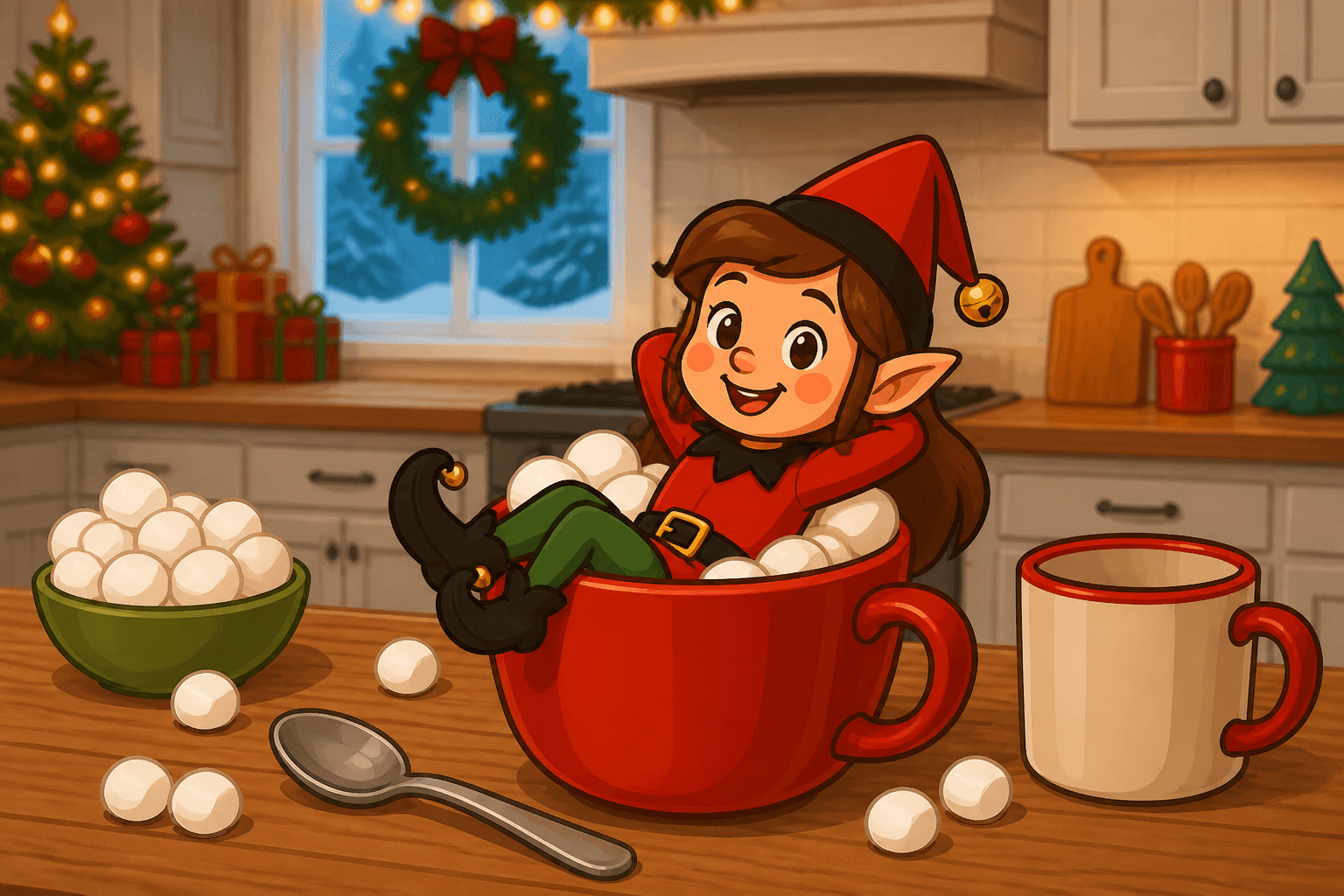
Cocoa Mug Hot Tub
Your elf soaks in an empty cocoa mug with marshmallow bubbles and a spoon deck. A cute, dry setup with steps, no-mess tips and a small-space version.
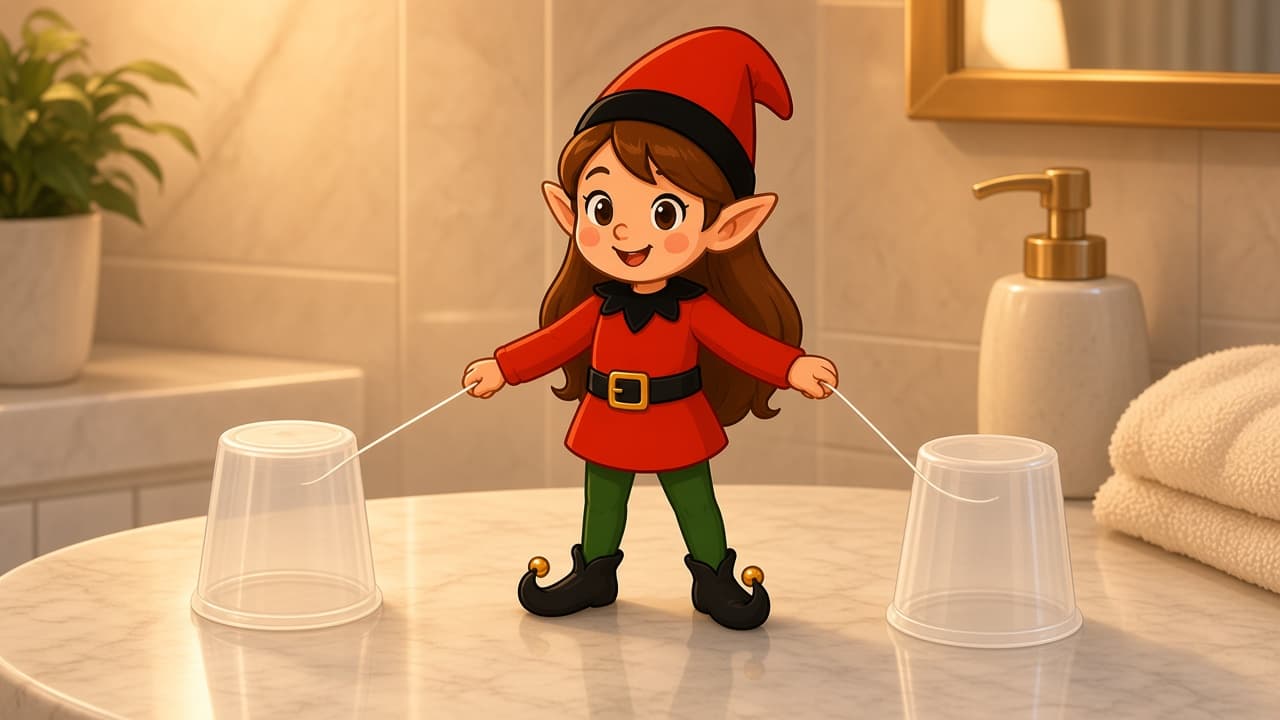
Floss Tightrope
Your elf walks a dental-floss tightrope strung between two cups on the bathroom counter. Easy setup steps, a few care notes and a small-space version.
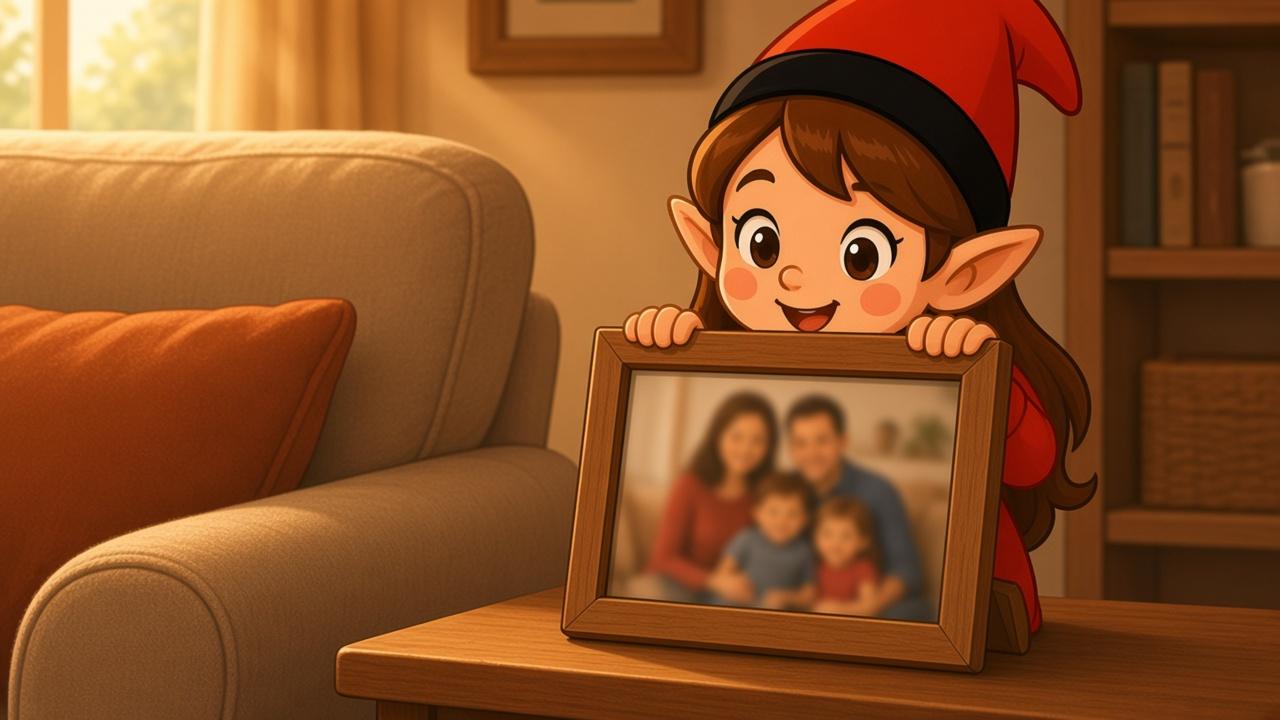
Frame Photobomb
Your elf photobombs the family picture on the shelf, peeking over the frame with a speech bubble. Setup steps, steady-frame tips and a selfie version.